


-

Add: HeBei ShengShi HongBang Cellulose Technology CO.,LTD.
-

Email
13180486930@163.com -

CONTACT US
+86 13180486930
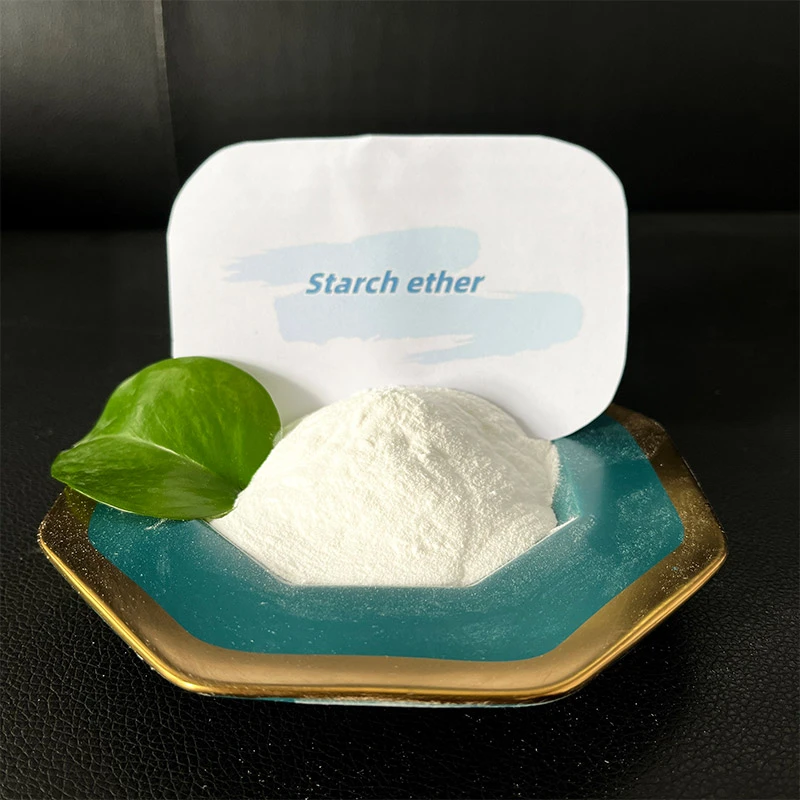
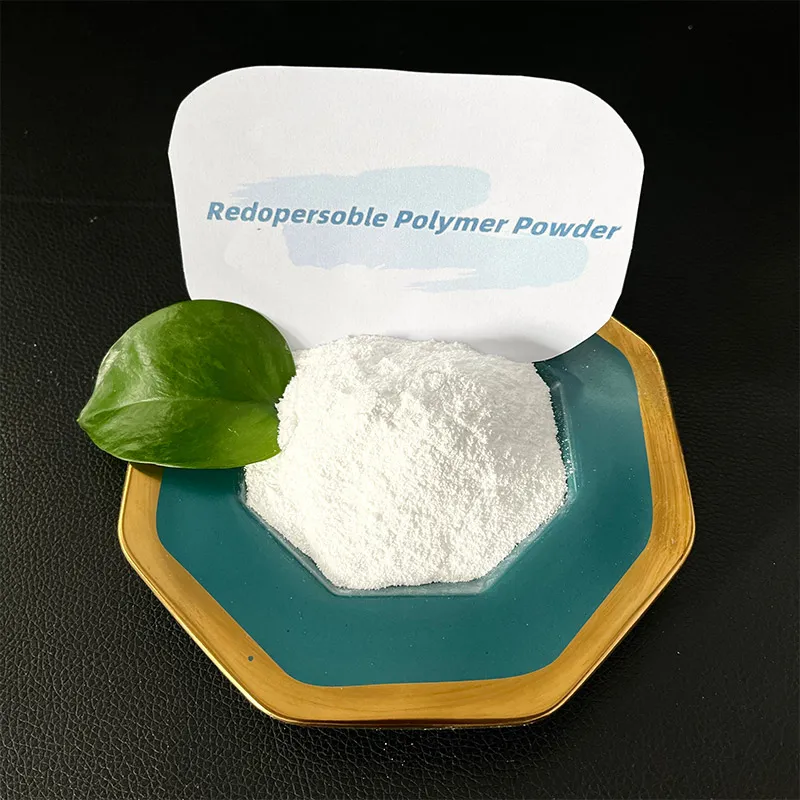
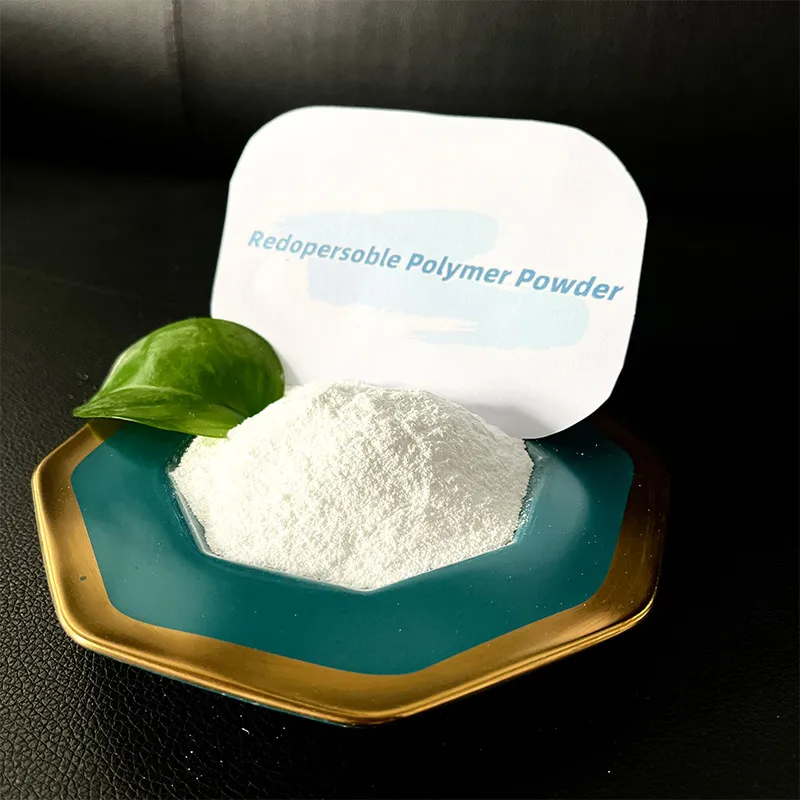
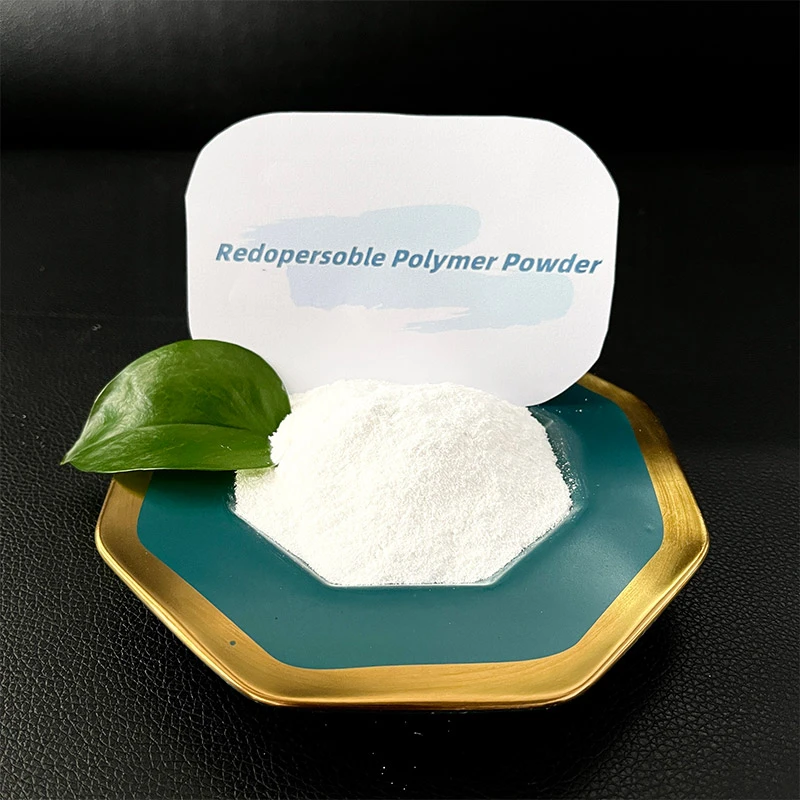


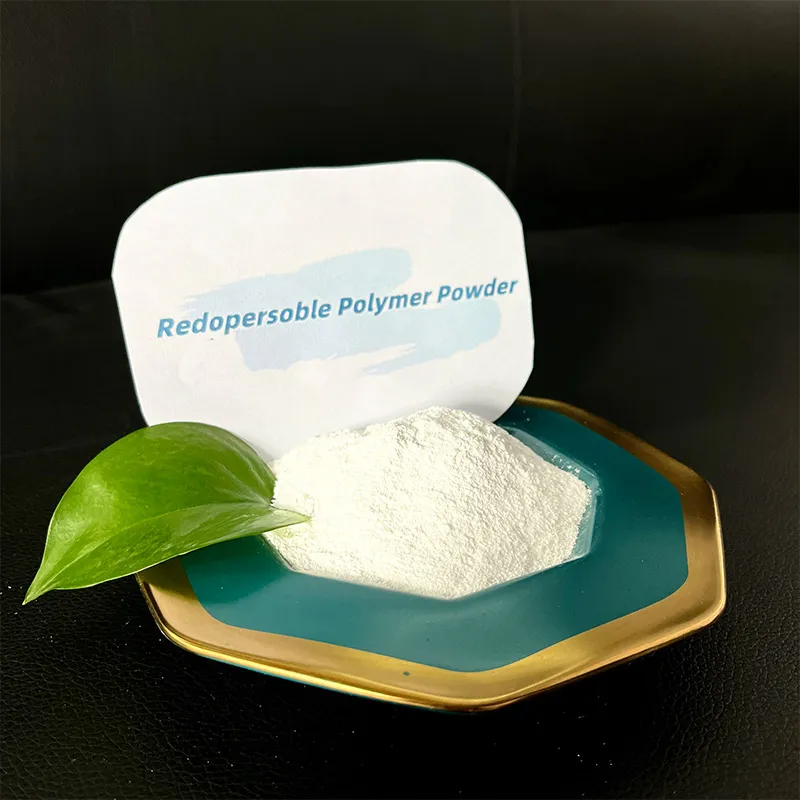
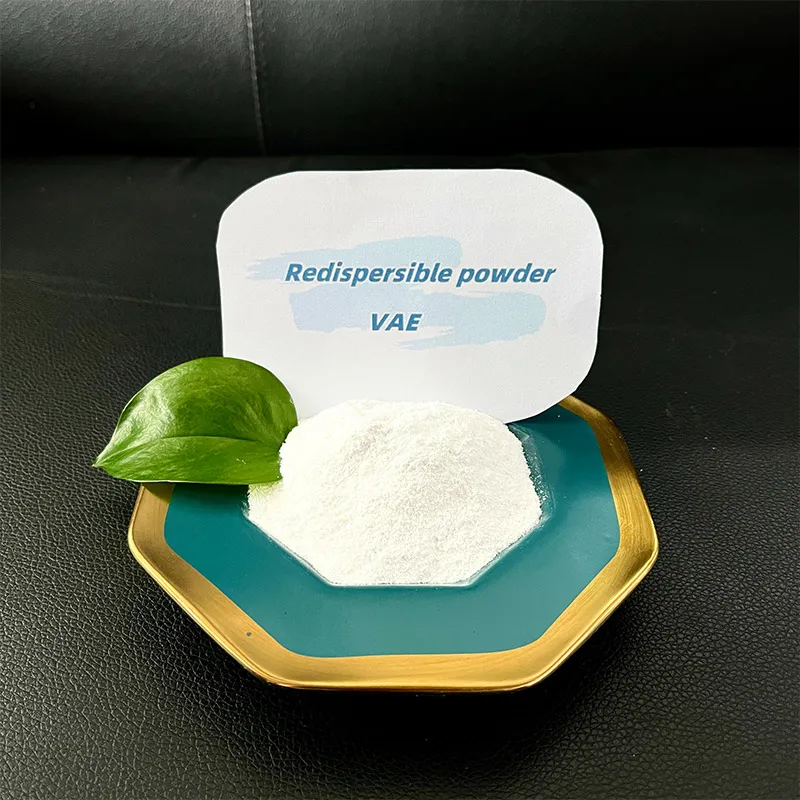
In modern construction and industrial applications, materials like redispersible polymer powder , vinyl acetate ethylene copolymer powder , and redispersible latex powder have transformed traditional practices. These advanced powders enhance performance, durability, and flexibility, enabling industries to meet contemporary demands. Meanwhile, innovations such as LDPE powder add to the versatility of polymer technology. Redispersible Polymer Powder: Enhancing Construction Efficiency Redispersible polymer powder is a key ingredient in cementitious and gypsum-based products, offering superior binding and flexibility. It works by redistributing when mixed with water, forming a film that strengthens mortar, adhesives, and plasters. The powder’s ability to improve adhesion, flexibility, and water resistance has made it indispensable in modern construction projects. Contractors rely on redispersible polymer powder to enhance tile adhesives, self-leveling compounds, and external insulation systems. Its easy integration into dry mix formulations simplifies production and application, making it a go-to solution for efficient and durable results. Vinyl Acetate Ethylene Copolymer Powder: The Backbone of Flexibility Among advanced construction materials, vinyl acetate ethylene copolymer powder stands out for its unique properties. This versatile copolymer enhances the performance of construction products by providing improved elasticity, adhesion, and crack resistance. Its ability to act as a stabilizing agent makes it ideal for applications like waterproofing membranes, grouts, and render systems. The synergy between vinyl acetate ethylene copolymer powder and other components, such as cement, creates durable and flexible formulations. By selecting high-quality redispersible polymer powder , which often includes this copolymer, manufacturers can meet the growing demands of the construction industry for more sustainable and reliable products. Redispersible Latex Powder: Versatility Across Applications For manufacturers seeking a material that offers multi-functional benefits, redispersible latex powder is an excellent choice. This innovative powder improves water retention, adhesion, and flexibility in a wide range of products, including tile adhesives, mortars, and sealants. Its redispersible nature makes it easy to transport and mix, streamlining the manufacturing process. In addition to its construction applications, redispersible latex powder plays a role in other industries, such as textiles and coatings. Its compatibility with various additives allows for customization, enabling businesses to create tailored solutions that meet specific needs. With its reliability and ease of use, redispersible latex powder remains a trusted material across sectors. LDPE Powder: Expanding Polymer Applications Complementing the benefits of redispersible polymer powder is LDPE powder , a material known for its flexibility and chemical resistance. Low-density polyethylene (LDPE) in powdered form offers a range of applications, from industrial coatings to plastic manufacturing. Its ability to enhance surface smoothness and impact resistance makes it a valuable addition to diverse industries. In construction, LDPE powder is often used to improve the performance of paints, adhesives, and waterproofing products. Its lightweight and non-toxic nature further contribute to its popularity. When combined with vinyl acetate ethylene copolymer powder or redispersible latex powder , it creates synergistic effects that maximize the durability and efficiency of the final product. Why Choose Redispersible Polymer Powder for Your Needs? Investing in high-quality redispersible polymer powder ensures improved performance and efficiency across various applications. Its ability to strengthen and enhance flexibility makes it an essential material in construction, while its compatibility with innovations like vinyl acetate ethylene copolymer powder and redispersible latex powder expands its versatility. For industries looking to optimize processes and products, materials such as LDPE powder provide additional opportunities for innovation. By leveraging the strengths of these advanced polymers, businesses can create solutions that are both cost-effective and environmentally friendly. Embrace the future of construction and manufacturing with redispersible polymer powder , vinyl acetate ethylene copolymer powder , and LDPE powder . These cutting-edge materials are paving the way for stronger, more sustainable, and more versatile products.
- 40000tons

Production
- 20+years

Experience
- 5000+㎡

Acreage

-
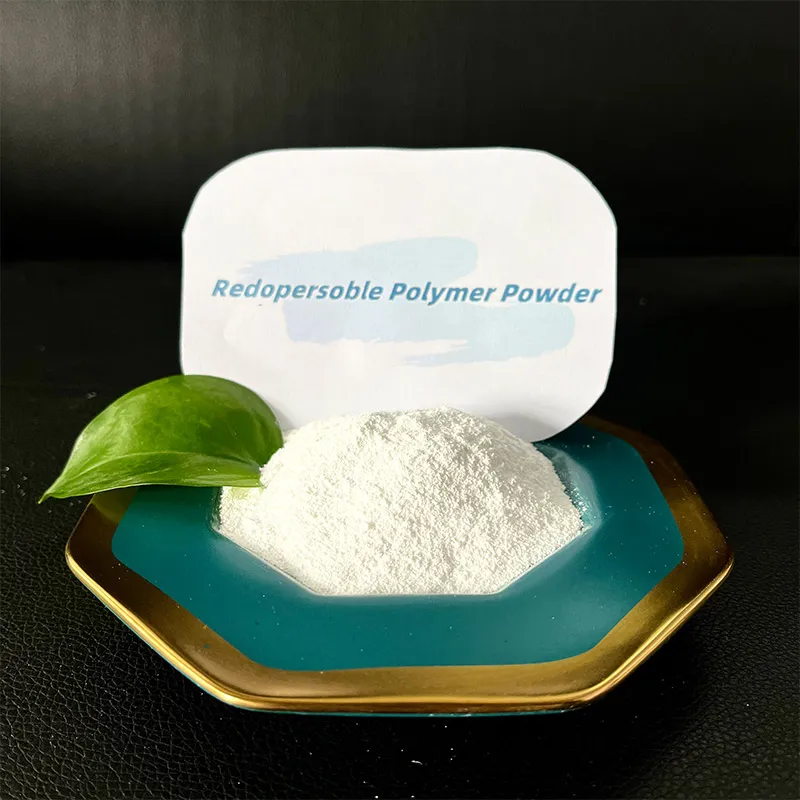
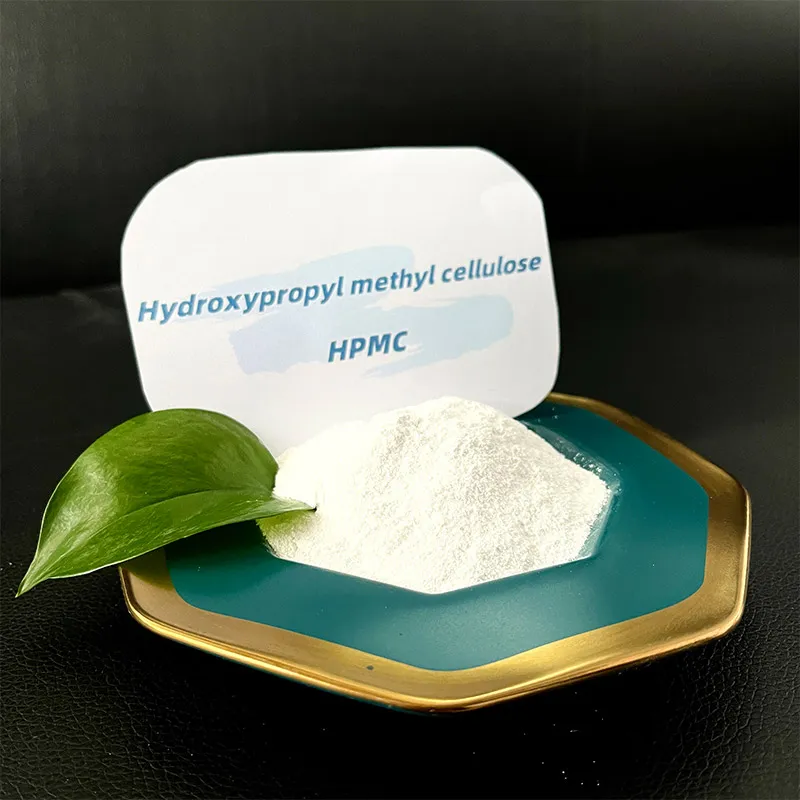
How to Make HPMC Gel A Step-by-Step Guide Hydroxypropyl methylcellulose (HPMC) is a versatile polymer widely used in various applications, including pharmaceuticals, cosmetics, and food products. One of the most common uses of HPMC is to create gels, which can serve as thickening agents, stabilizers, or film-forming agents. In this article, we will provide a detailed guide on how to make HPMC gel, ensuring that you have all the information you need to successfully create your own gel. Materials Needed Before getting started, it’s essential to gather all the materials you will need 1. HPMC Powder Available in various grades, choose one that fits your intended application. 2. Distilled Water Using distilled water ensures that no impurities interfere with the gel formation. 3. Heating Source A hot plate or stovetop for heating the water. 4. Beaker or Container For mixing the ingredients. 5. Stirring Tool A whisk or a magnetic stirrer for thorough mixing. 6. pH Meter or Strips Optional but useful for adjusting the pH if necessary. 7. Preservatives (Optional) If you intend to store the gel for an extended period, consider adding a preservative. Step-by-Step Instructions Step 1 Prepare the Water Start by measuring the amount of distilled water you will need. The quantity of water will depend on the desired concentration of the HPMC gel. Typically, a concentration of 1-3% HPMC is used, but you can adjust it according to your requirements. Pour the measured water into a beaker or container. Step 2 Heat the Water Gently heat the distilled water using your heating source. The temperature should be around 60-70°C (140-158°F), which helps dissolve the HPMC more effectively. Do not bring the water to a boil, as excessive heat might degrade the polymer. Step 3 Mix HPMC with Water how to make hpmc gel Slowly add the HPMC powder to the heated water while continuously stirring. It’s crucial to sprinkle the HPMC powder evenly to prevent clumping. Use a whisk or a magnetic stirrer to create a homogeneous mixture. Continue stirring until the powder is fully dissolved, and the mixture becomes viscous. Step 4 Allow to Cool and Thicken Once the HPMC is fully dissolved, remove the beaker from the heat source and allow the solution to cool. As it cools, the gel will thicken further. This process may take some time, so be patient. You can stir occasionally to ensure even thickening. Step 5 Adjust pH (Optional) If necessary, check the pH of the gel using a pH meter or strips. HPMC gels typically perform best at a neutral pH (around 7). If you find that the pH is too high or low, you can adjust it by adding small amounts of citric acid (to lower pH) or sodium hydroxide (to raise pH). Stir well after each adjustment. Step 6 Add Preservatives (If Needed) If you plan to store the HPMC gel for an extended period, consider adding a preservative to prevent microbial growth. Follow the manufacturer's instructions regarding the appropriate type and quantity of preservative to use. Step 7 Store the Gel Properly Transfer the HPMC gel into an airtight container. Store it in a cool, dry place away from direct sunlight. If stored correctly, HPMC gel can last for several months. Conclusion Creating HPMC gel at home is a straightforward process that involves heating water, dissolving the HPMC powder, and allowing it to cool and thicken. With just a few ingredients and some patience, you can produce a high-quality gel suitable for various applications. Whether you are a hobbyist or a professional, understanding how to make HPMC gel can be a useful skill in your toolkit. Enjoy experimenting with your gel, and don’t hesitate to adjust the formulation to meet your specific needs!
-

Hydroxypropyl methylcellulose (HPMC) cellulose, a derivative of cellulose, is revolutionizing the formulation of diverse products across multiple industries, ranging from construction to pharmaceuticals. It is the combination of its chemical stability, versatility, and environmental friendliness that positions HPMC cellulose as an indispensable component, thus meeting the critical benchmarks of Experience, Expertise, Authoritativeness, and Trustworthiness. Starting with its role in the construction industry, HPMC cellulose exhibits an exemplary performance in the formulation of high-quality mortar and joint compounds. Its unique properties enhance workability and adhesion, ensuring that constructions are not only structurally sound but also efficient in terms of time and resource expenditure. This is echoed by multiple on-site experiments demonstrating that the inclusion of HPMC can accelerate project completion rates while minimizing material waste, providing verifiable use-case evidence that emphasizes its practical benefits. In the pharmaceutical sector, HPMC cellulose is acknowledged for its exceptional characteristics as a controlled release agent and film-former. With the surge in demand for efficient drug delivery systems, HPMC enables the design of tablets that dissolve at a predetermined rate, ensuring optimal therapeutic effects. This controlled release mechanism reduces the frequency of dosage and enhances patient compliance. Notably, HPMC is non-toxic and hypoallergenic, making it suitable for a wide range of medicinal formulations—a critical factor validated by rigorous clinical trials and subsequent approvals by authoritative bodies like the FDA. Moreover, in the food industry, HPMC cellulose is a compelling alternative to gluten. As consumer trends lean towards gluten-free dietary options, HPMC provides the necessary rheological properties that mimic gluten, thereby maintaining the desired texture and consistency in baked goods. This not only reinforces HPMC's expertise in product formulation but also its authority in meeting evolving consumer preferences. This transformation in culinary practices is highlighted in studies consistently proving that baked goods containing HPMC can atrack the same taste fidelity as their gluten-containing counterparts. hpmc cellulose The cosmetic industry cannot be overlooked, where HPMC cellulose serves as a vital ingredient in creams and lotions, delivering consistency and stability. Its ability to retain moisture has been extensively analyzed by cosmetic chemists, underscoring its role in enhancing the longevity and efficacy of skincare products. Trust in HPMC's performance within cosmetics is built on decades of research, professional endorsements, and consumer satisfaction, further solidifying its standing as a cornerstone ingredient in personal care formulations. HPMC cellulose also answers to the increasing demand for sustainability . Made from renewable resources, it presents a less environmentally taxing substitute to its synthetic counterparts. This aligns with global sustainability goals, positioning HPMC as not only a smart choice from a functional standpoint but also a responsible one. Manufacturers utilizing HPMC are vocal advocates of this benefit, often highlighting their reduced carbon footprint and sustainable manufacturing processes in industry reports and eco-certifications. Given the interdisciplinary applications and documented success across sectors, it is clear that HPMC cellulose stands as a paragon of innovation and reliability. Its ability to meet varied industrial requirements while fostering product efficiency and environmental responsibility speaks to its unrivaled position in the market. Trust, experience, expertise, and authority are not mere abstract concepts but are embodied in the myriad uses and assurances HPMC cellulose offers, positioning it as a material tailored not just for present industry needs, but future advancements as well.
advantages
-

200000 Viscosities
Excellent product
We can produce pure products up to 200,000 viscosities
-

40000 tons
High yield
We don’t stop production all year round, and the annual output can reach 40,000 tons
-

24 hours
Quality service
We provide 24-hours online reception service, welcome to consult at any time
———— Inquiry Form
Schedule A services
-
 fiber_polypropen_ni_nini
Oct . 25, 2025
Heat-resistant synthetic fibers have emerged as a game-changer in a variety of industries, from text - hpmc_food
Oct . 25, 2025
Hydroxypropyl methylcellulose, commonly abbreviated as HPMC, stands for a multifaceted polymer with -
 polypropylene_concrete_fiber_reinforcement
Oct . 25, 2025
The journey of synthetic fibers began with an innovation that changed the textile industry forever t


